
Vehicle overview
About Toyota Urban Cruiser Ebella
India market · Model year not listed
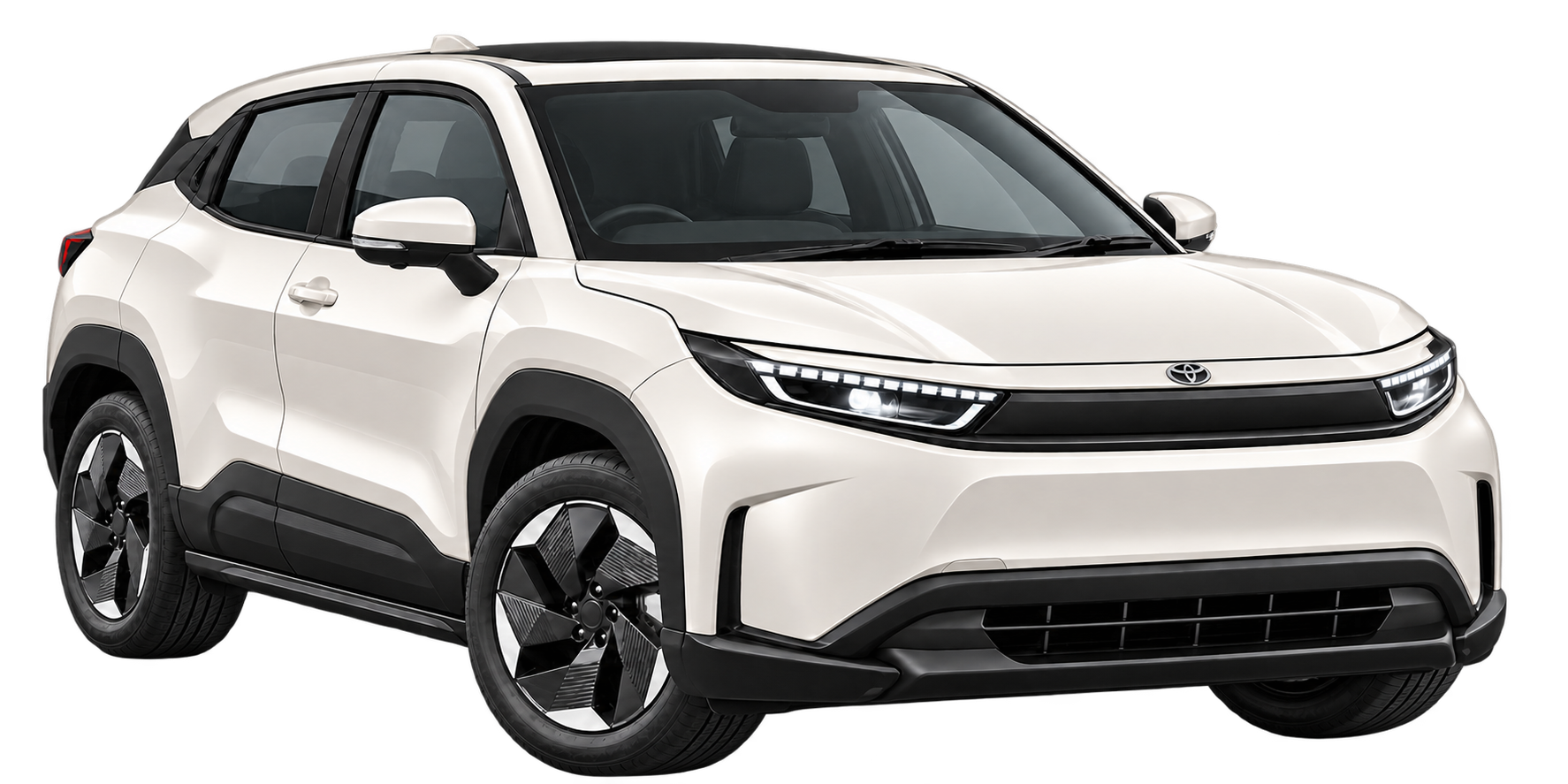
Showing Café White
Vehicle overview
India market · Model year not listed
Dynamic Range Model
Certified laboratory ratings never tell the full story. See how speed, ambient temperature, and departure charge affect your actual driving distance.
This calculation preserves a safe 10% emergency buffer to reach a highway fast charger without stress. Laboratory test figures like ARAI or MIDC assume ideal conditions and no air conditioning load.
Reach
From where you start, with the battery you leave with. The solid area is what the E2 (61 kWh) reaches on one charge; the dashed line adds one fast-charging stop on the way.
Approximate shapes: straight-line distance adjusted for typical road detours.
Your location stays approximate: it’s rounded to about 1 km.
Highway estimate of 383 km, keeping 10% in reserve. A fast charge adds 10–80%. Weather, speed and load change real reach.
Power, Connectors & Speeds
Realistic charging speeds across home wallboxes, highway DC fast corridors, and emergency 15A domestic sockets.
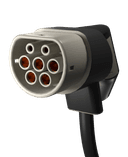
Up to 7 kW AC
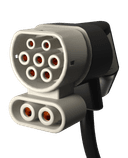
CCS2 DC Fast Charger

Standard 3-pin domestic outlet
All electric vehicles charge fastest from 10% to 80%. Above 80%, the on-board battery management system (BMS) intentionally slows charging throughput to manage cell temperature and preserve battery chemistry. On highway road trips, unplugging around 80% is the optimal time-saving strategy.
Battery Chemistry & Architecture
Understanding usable vs nominal capacity buffer, cell chemistry care rules, and manufacturer battery warranty protection.
The reserve buffer protects cells from severe deep-discharge and excessive high-voltage stress, ensuring consistent pack longevity over years of operation.
LFP chemistry provides exceptional thermal stability and can be charged to 100% SoC daily without accelerated cell degradation.
Check the manufacturer's warranty terms for coverage details.
TCO & Energy Economics
Calculate your real monthly charging spend compared to a petrol car, factoring in home electricity tariffs, public DC fast charging rates, and AC wall losses.
Saving ~₹7,071 every month on energy spend (81% reduction vs petrol).
Under the surface
Detailed engineering specifications for the Urban Cruiser Ebella E2 (61 kWh) in India.
Manufacturer reserve buffer protects cells from deep discharge and maintains consistent warranty retention.
Safety equipment verified from official manufacturer ARAI / Bharat NCAP crash test certification.
Variant Lineup & Pricing
Compare battery size, tested highway range, charging times, and included standard equipment across variants.
Manufacturer Reference & Hotlines
Toyota's roadside and customer care numbers, warranty policy and owner resources, where the catalogue has them.
Not listed for Toyota yet: support email, warranty policy, owner's manuals, dealers.
Frequently Asked Questions
The certified figure is 543 km (ARAI). Chargespot estimates about 383 km on the highway at 95 km/h with the air conditioning on, and about 479 km in city driving. Your range depends on speed, weather and load.
With its CCS2 charging port, the Urban Cruiser Ebella accepts up to 50 kW peak DC power. It can charge from 10% to 80% SoC in approximately 45 minutes at compatible fast charging stations.
With a portable charger, yes. On a regular power socket at about 2.3 kW it adds roughly 3% charge an hour. The Urban Cruiser Ebella takes up to 7 kW on AC, so a wallbox at that power is the fastest way to charge it at home, about 10 hours from 0% to 100%. Have an electrician check the circuit first, and never charge through an extension cord.
Toyota lists a battery warranty of 8 years or 2,00,000 km.
The numbers. Then the road.
Never worry about range or queue times. The ChargeSpot mobile app automatically plans optimal charging stops based on your battery capacity, highway speed, and real-time charger availability across all Indian networks.